
Macromolecular models that drive biology forward
We build the computational tools and algorithms that let researchers probe supramolecular systems in living cells with atom-level precision.
From a molecule's shape to its function
We build the codes and run the simulations that let structural biology see what static images cannot — motion, interaction, time.





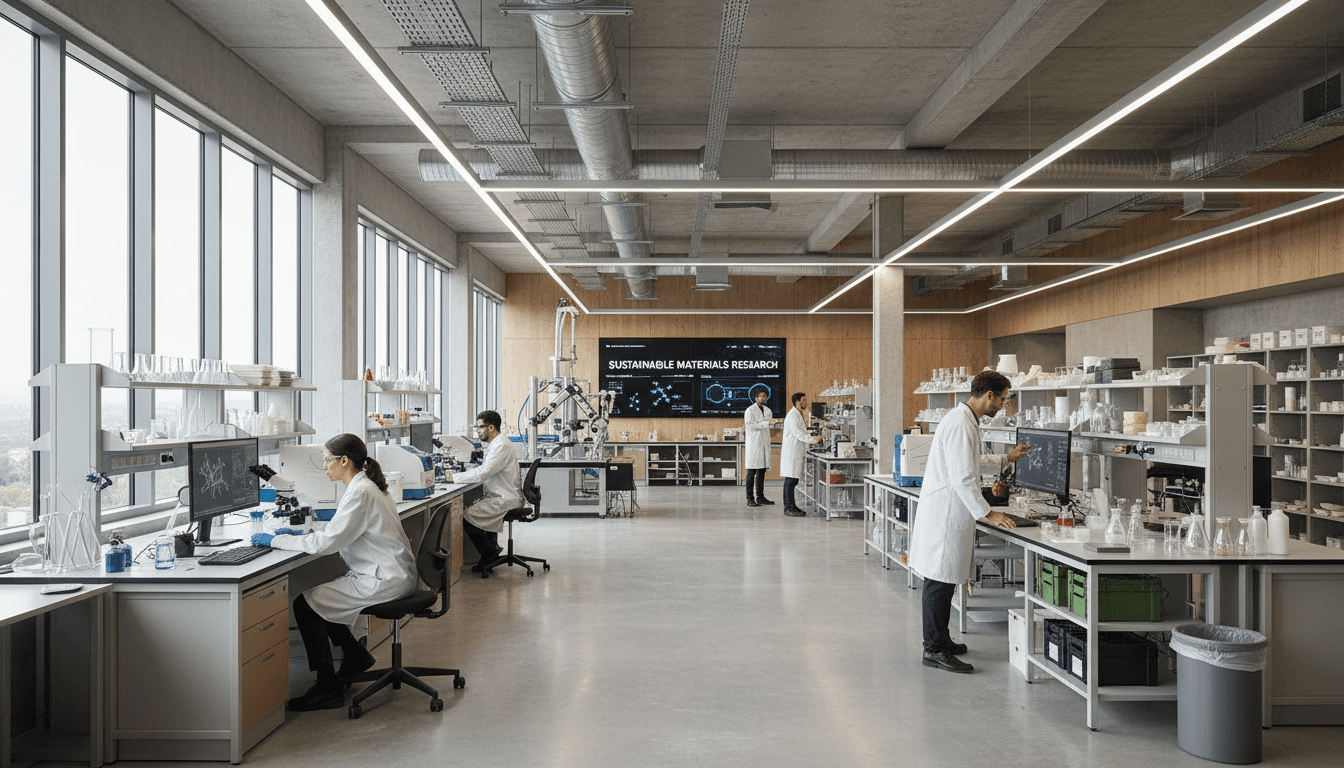
Clean benches, quiet machines, and a different kind of science.
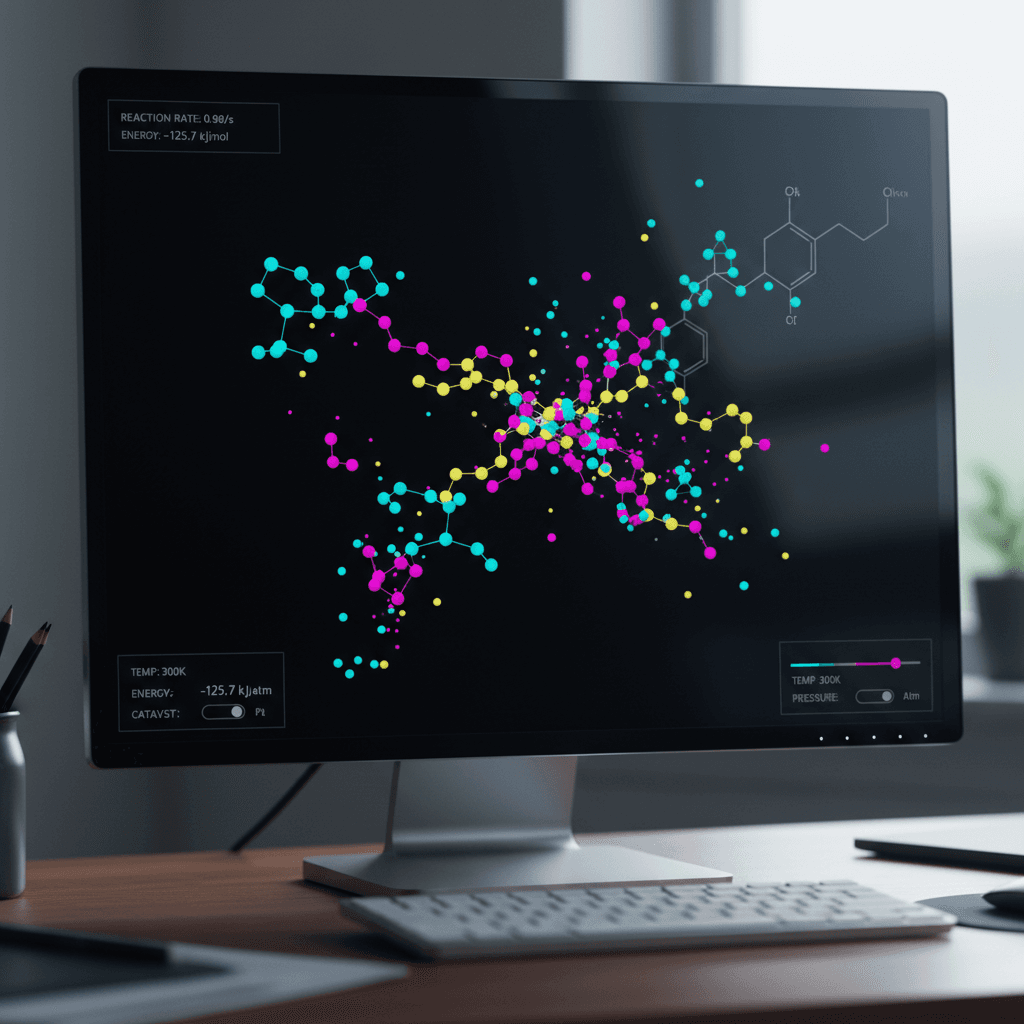
A walk through our lab at the Beckman Institute. No staged hero shots. Just the tools and spaces where we do the work.




What does 35 years of algorithm development look like?
Since 1989, we have been building the computational tools that drive structural biology forward. Here is what that adds up to.
35+
Years of research
400+
Peer-reviewed papers
100+
Algorithms developed
6
Core faculty
See how our tools change the science
Researchers and collaborators share how TCBG software and methods have shaped their structural biology work.
We used NAMD to simulate a membrane protein system that other packages couldn't handle at scale. It ran on 2,000 cores with no stability issues -- that opened up a whole new line of inquiry.
Dr. Helena Voss
Postdoctoral Researcher, Structural Biology
VMD let us visualize a viral capsid assembly pathway in real time during our MD runs. That direct visual feedback changed how we designed our next set of experiments.
Prof. Marcus Delgado
Associate Professor, Biophysics
The TCBG group's implicit solvent model was the key to getting our free energy calculations to converge. They shared the code and walked us through the parameterization -- that's rare in this field.
Dr. Annika Sorenson
Computational Chemist, Pharmaceutical R&D
Our group adopted the TCBG-developed algorithms for coarse-grained simulations of the ribosome. The performance and accuracy meant we could simulate long enough timescales to see functional motions.
Dr. Yuki Tanaka
Senior Scientist, Computational Biology Center
We built a whole analysis pipeline around the TCBG group's trajectory tools. It saved our lab months of development time and let us focus on the biology instead of the code.
Prof. Elena Petrova
Professor of Biochemistry, University of Milan
35 years of answers
Common questions about our group, tools, and how to collaborate.
What does the Theoretical and Computational Biophysics Group actually do?
We develop and apply computational methods to understand the structure and function of biomolecular systems. Our work spans from algorithm development to large-scale simulations of supramolecular assemblies.
Can I use your software or tools for my own research?
Yes. Most of our software is freely available to the academic community. Our primary simulation engine, NAMD, and visualization tool, VMD, are both open-source and widely used in structural biology.
Does your group accept visiting researchers or postdocs?
We welcome collaborators and visiting scientists. We also have an active postdoctoral program. Reach out to the principal investigator whose work aligns with your interests to discuss possibilities.
How does your group integrate experimental and computational work?
We work closely with experimental groups to validate our models and predictions. Our tools are designed to be directly applicable to biological data, from structural biology to cell biology questions.
What is the NIH Center for Macromolecular Modeling and Bioinformatics?
That is our official center designation, supported by the National Institutes of Health. It serves as the umbrella for our research and training activities at the Beckman Institute.
How can I request access to your computational resources?
We primarily run simulations on large-scale supercomputers through national allocations. For small-scale tests, our lab systems are available. Contact us to discuss your project's computational requirements.
Still have questions?
Send us a message and we'll get back to you with specifics on how we can help.