Biological machinery seen at the atomic level
We develop the algorithms and computing tools that let structural biology see how supramolecular systems actually work.
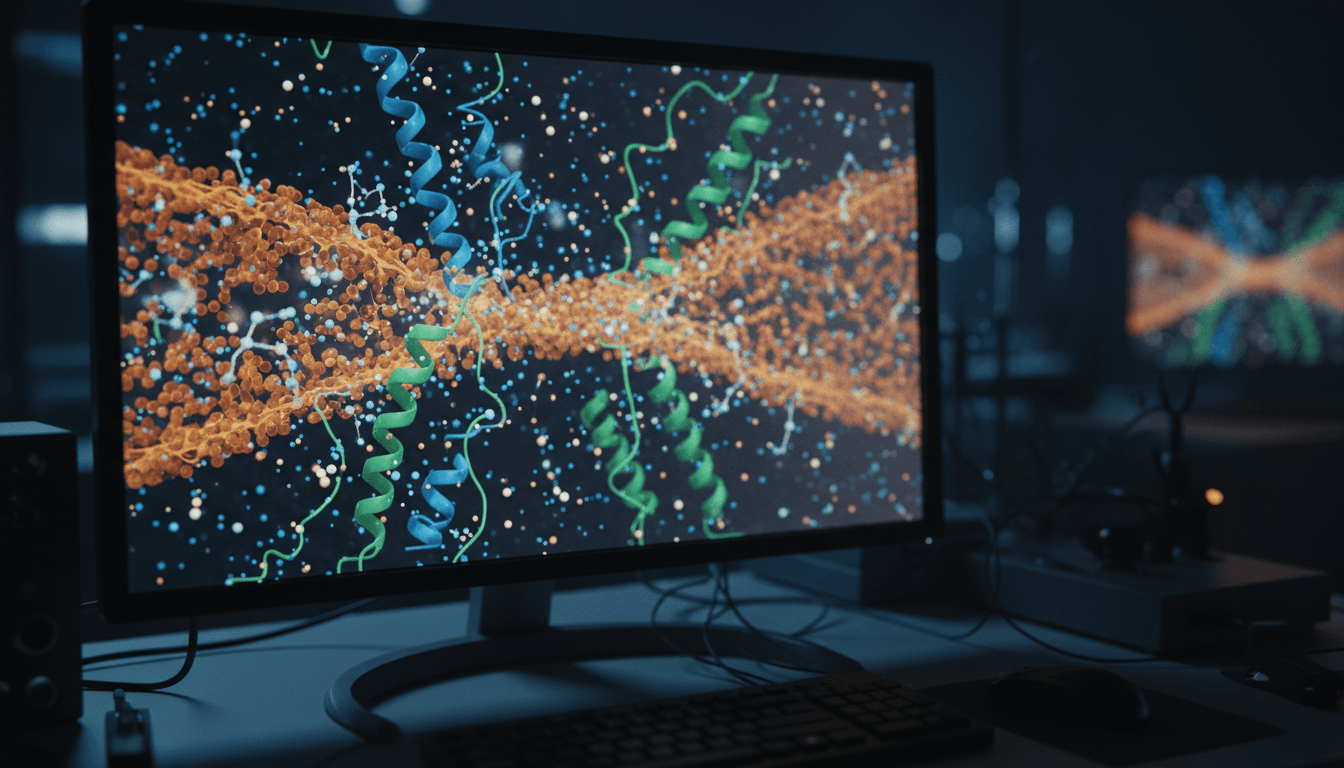
Most groups promise breakthroughs. We build the tools that make them possible.
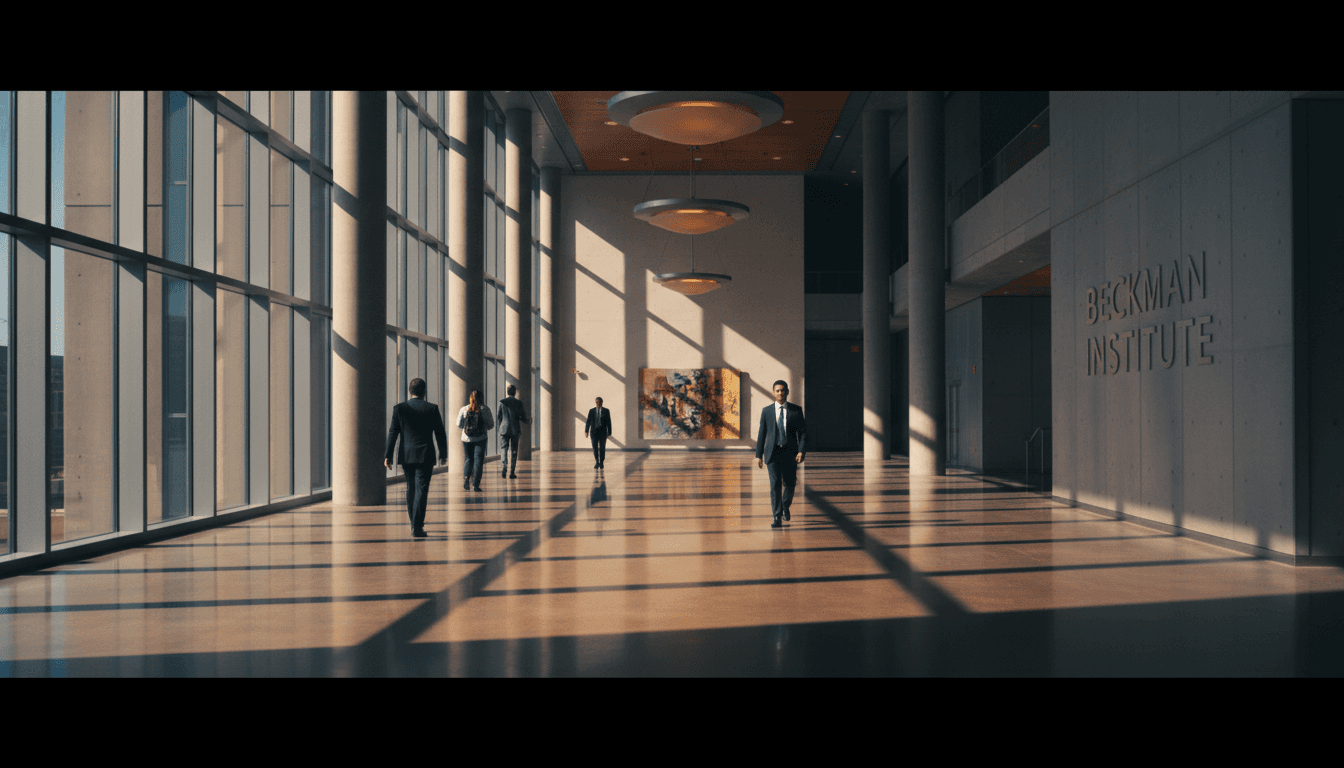
Founded in 1989 at the Beckman Institute, the TCBG has focused on one problem: writing the algorithms and code that let structural biology ask harder questions. We don't chase applications — we build the foundation that makes discovery reproducible.
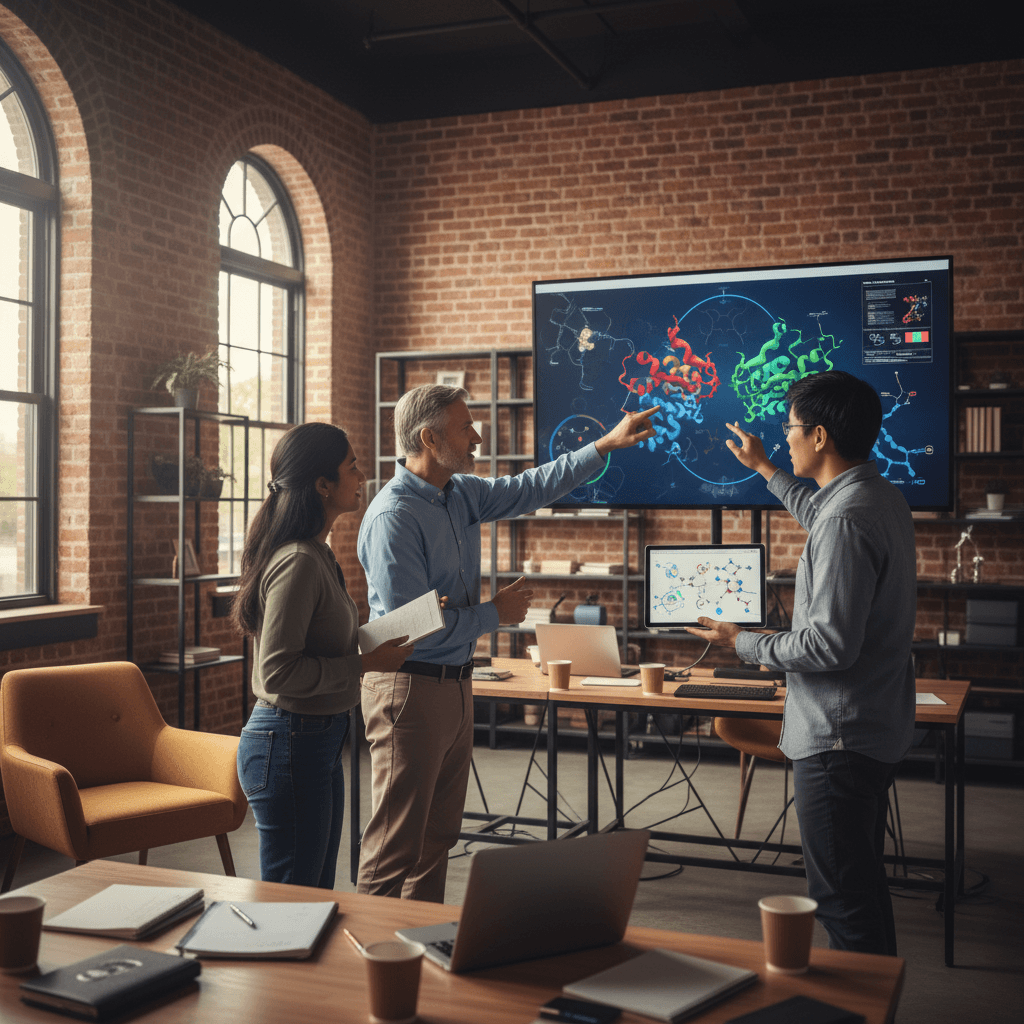
What does a computational biophysics lab actually look like?
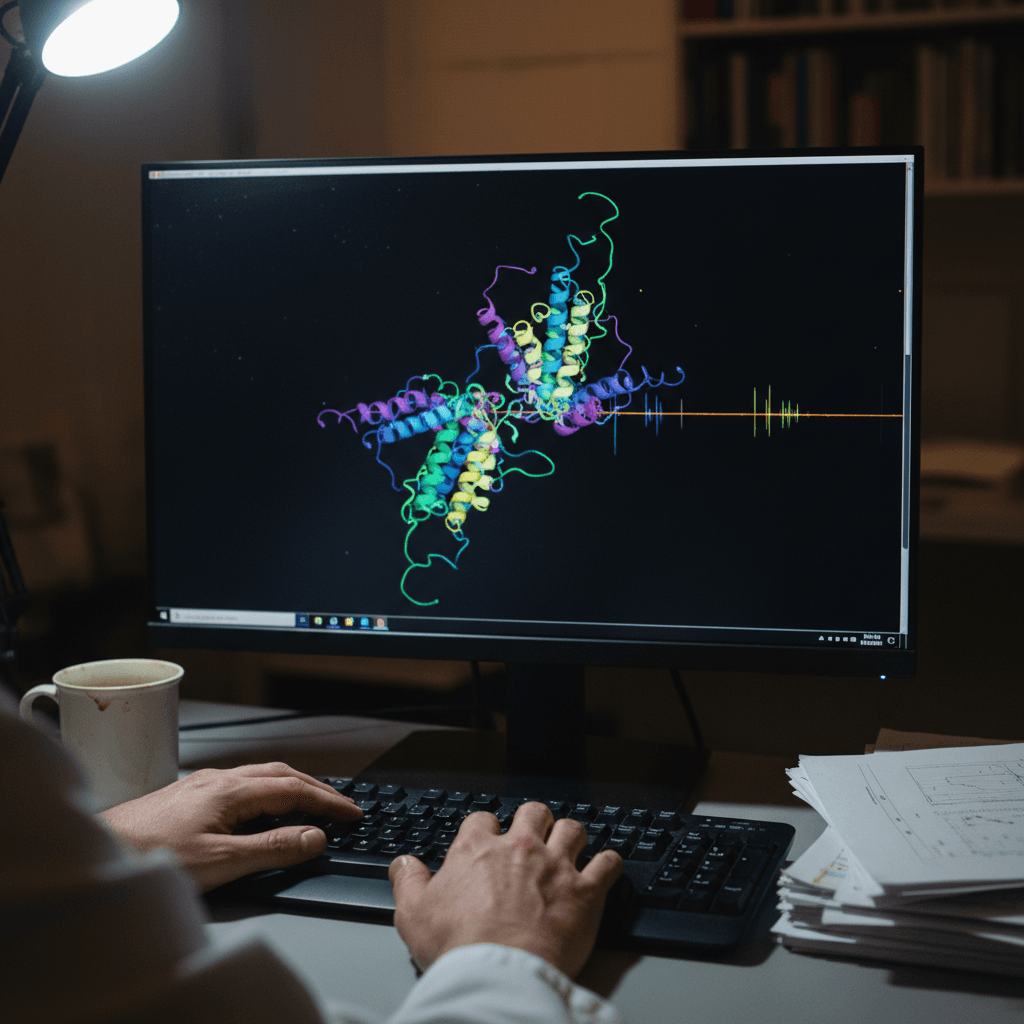
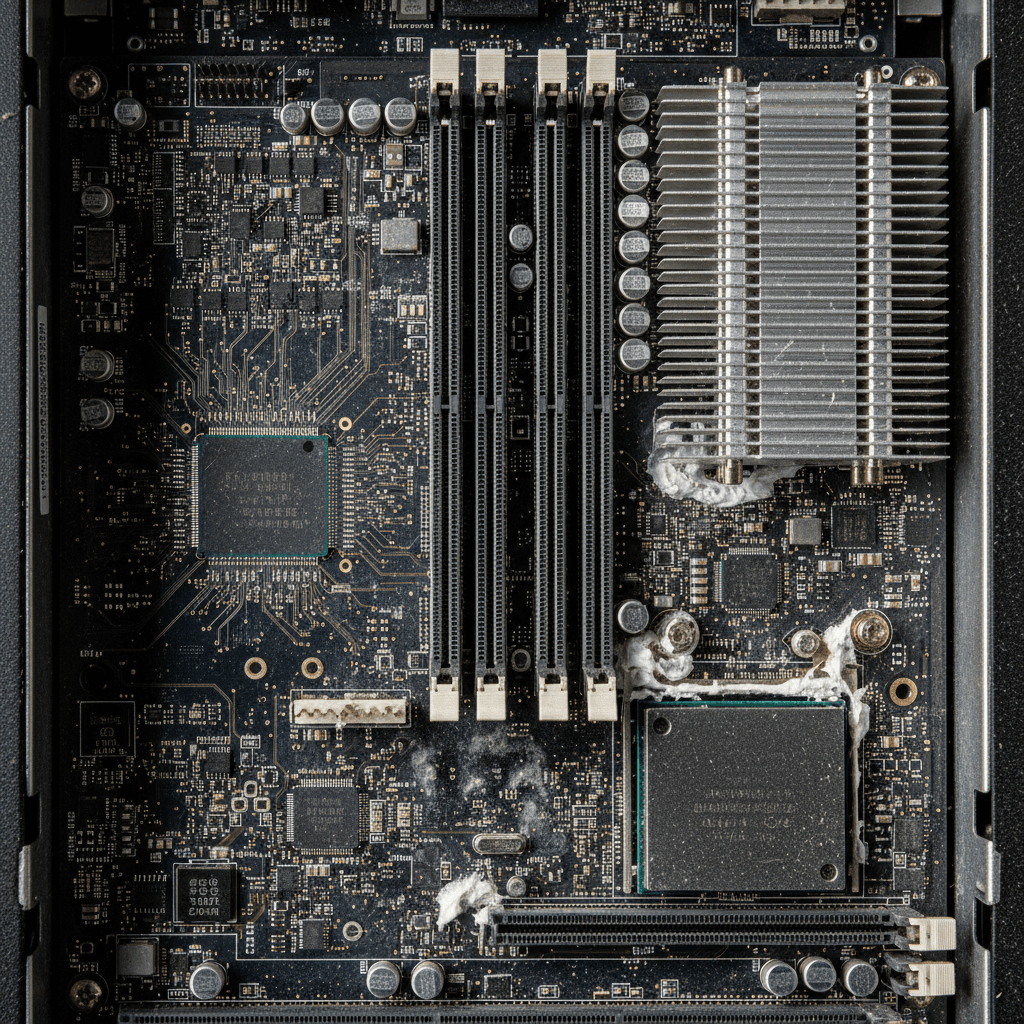
Most of our work happens on screens and in clusters. But the spaces we build — the algorithms, the simulations, the collaborations — are as real as any bench.

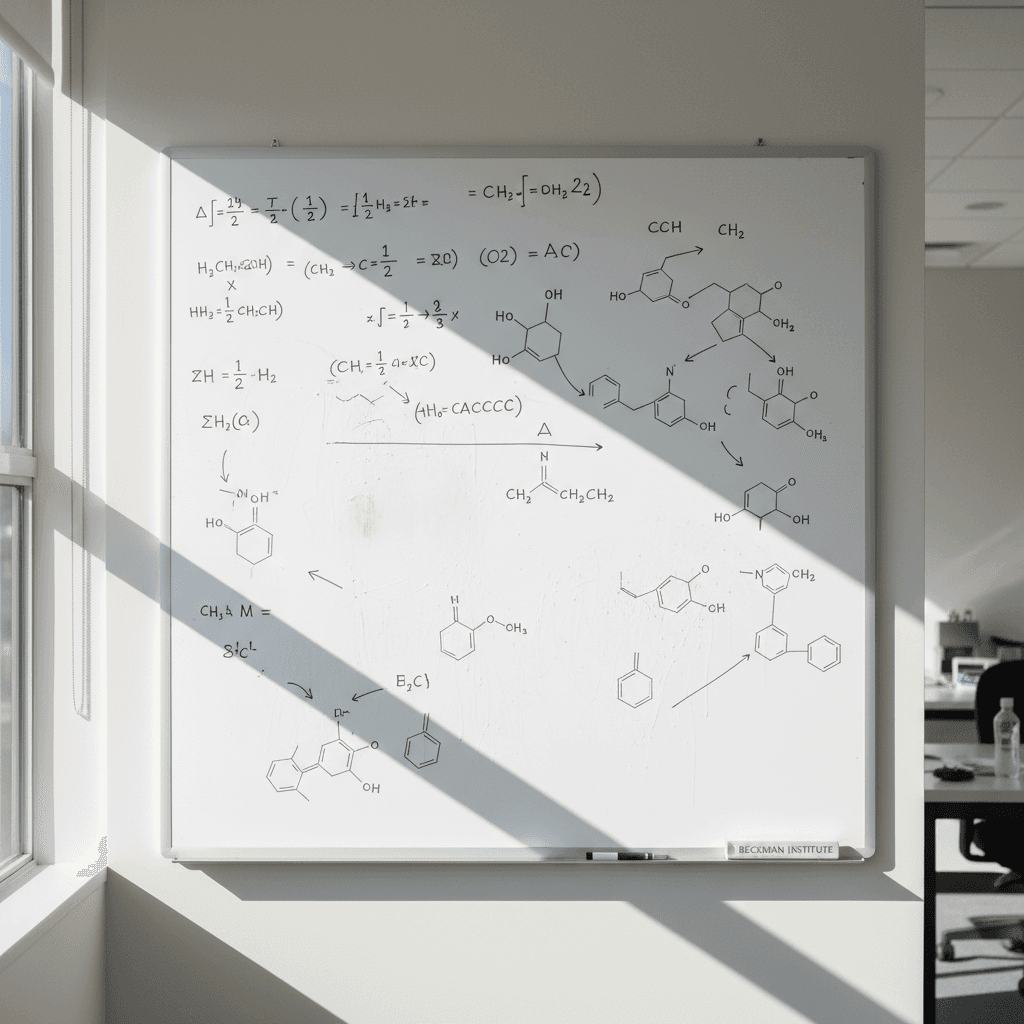

Tools built at the Beckman Institute
NAMD and VMD are essential to our lab's workflow. The group's support and documentation made integrating them straightforward and our simulations far more reliable.
Elena Voss
Postdoctoral Researcher, Structural Biology Lab

We collaborated on developing a new force field parameter set. The TCBG team's depth in molecular dynamics and willingness to share code saved us months of work.
James Okonkwo
Computational Chemist, Pharmaceutical R&D

Using the group's parallel computing tools we scaled our membrane protein simulations to 100,000 cores. The performance gain was dramatic and the code just worked.
Yuki Tanaka
Associate Professor, Biophysics Department

Over three decades of molecular discovery
Since 1989, TCBG has developed the methods and code that let scientists simulate the machinery of life at an atomic level.
Molecular dynamics algorithms
Create and parallelize the force calculations that drive accurate atomistic simulation at scale.
Supramolecular structure & function
Model how large protein complexes, viruses, and cellular machines assemble and operate in living cells.
Bioinformatics tool development
Build databases and analysis platforms that turn simulation data into biological insight.
Multi-scale simulation methods
Bridge atomic detail and cellular scale by blending quantum mechanics, classical force fields, and coarse-grained models.
NAMD & VMD development
Continuously maintain and improve the open-source tools used by thousands of labs worldwide for simulation and visualization.
See what 35 years of computation builds
Since 1989, the TCBG has been developing the algorithms that drive molecular dynamics and structural biology forward.
1989
Year founded
5+
Faculty leads
30+
Algorithms developed
1000+